

Your Professional Protective Film Supplier
Jixiangbao Group is a leading technological enterprise specializing in the research, development, manufacturing, and sales of advanced materials. Our product portfolio encompasses PE coated paper, release paper, release film, protective film, and composite film. These products find extensive applications across various industries including new energy, 3C electronics, 5G semiconductors, flat panel displays, consumer electronics, smart vehicles, energy storage, smart healthcare, and graphite materials.
Diverse Product Range
We offer five major product series, comprising over 500 items with varying specifications and models, catering to the diverse needs of customers across multiple sectors.
Extensive Industry Experience
With more than two decades of production and manufacturing expertise, our products are distributed and utilized in 16 countries and regions.
Rapid Overseas Response
To meet the demands of overseas localization and provide prompt responses to industry-specific requirements, the group has established a branch in Vietnam.
Customized Design Services
Our professional project services include customized design solutions for material selection, thickness, weight, release force, viscosity, surface roughness, surface glossiness, width and length, printing, among others, ensuring we meet your unique needs.
Robust Warehousing Infrastructure
Located in Liuhe Town, Taicang, our warehousing operation center spans over 5,000 square meters. We maintain ample raw material stocks, planned inventory for standard specifications, ensuring quality assurance and rapid response to general specification requirements.


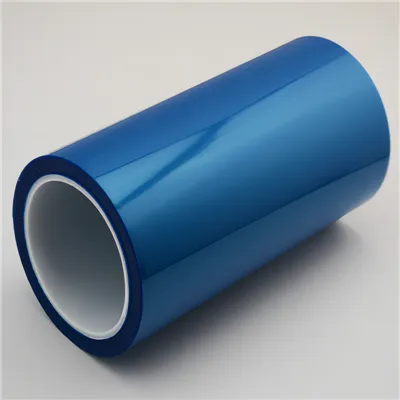


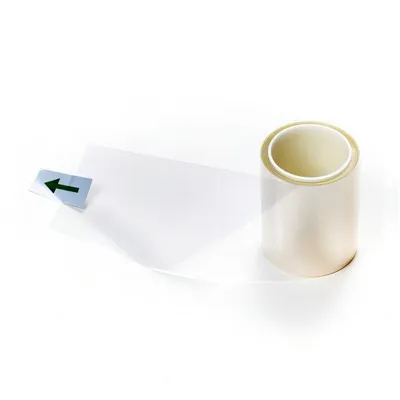


Specification of Protective Film
|
Adhesive |
Acryli, Silicone, Urethane |
|
Thickness (um) |
50, 60, 70, 80, 100, 150 |
|
Adhesive (g/25mm) |
10, 30, 50, 100, 300 |
|
Width (mm) |
100-1800 |
|
Length (m) |
100-2000 |
|
Hardness |
Soft |
Types Of Protective Film
The protective films produced by our company mainly include the following types:
Surface Protective Film
A high-quality surface protective film can easily be applied and removed while providing a sleek finish to the surface it is used on. These films protect vulnerable surfaces: glass, commercial glazing, plastic, stone, brick, granite, marble, and more. Industries with a focus on manufacturing and distribution of packaged products generally find themselves with a need for this kind of protection. However, cutting these films into appropriate shapes to fit various surfaces becomes difficult. Additionally, the user has to ensure minimal bubbling upon application, which often requires a professional’s expertise in surface protection films.
Protection Film For Painted Surfaces
Paint protection films generally have a higher resistance toward impact. Variants such as the clear paint protection film (PPF) have “self-healing” properties that allow them to return to their natural shape after impact or abrasions. These kinds of films are usually made from elastomeric polymer, providing elasticity to the film. They’re traditionally invisible, allowing the object to maintain its aesthetic value while adding a level of protection. That’s why common uses include cell phones, electronics, cars, airplanes, and other equipment.

● Surface Protection: The primary benefit of protective films is the protection of surfaces from scratches, abrasions, impact, dirt, dust, moisture, and other potential damage.
● Preservation Of Aesthetics: Protective films help maintain the original appearance, finish, and quality of surfaces, preventing the need for touch-ups or costly repairs. This is particularly important for products with high aesthetic value, such as vehicles, electronics, and architectural finishes.
● Cost Savings: By preventing damage to surfaces, protective films can significantly reduce the need for repairs, replacements, and rework, saving time and money during manufacturing processes.
● Reduced Environmental Impact: Reduced Environmental Impact: nd the lifespan of products and components, reducing the need for premature disposal and replacement.
Ease of removal
Protective films are designed to be easily removable without leaving residue or damage. This makes them easy to remove when the protection is no longer needed.
Temporary or long-term
Depending on the type of protective film chosen, surfaces can be protected temporarily or long-term.
Hygiene
Protective film can help ensure hygienic conditions in environments like cleanrooms and medical facilities, where surfaces need to be shielded from contaminants.
Applications of Protective Film
Aerospace
Aerospace engineering constantly strives to create quieter, lighter, and damage-resistant equipment. In the aerospace industry, films are essential for prolonging longevity and enhancing the quality of aircraft materials.
Electronics
Electronics like mobile phones and other hardware are susceptible to physical damage, particularly screen damage. There is also a wide range of application possibilities for television manufacturing companies, electronic shipment companies, and other similar businesses.
Industrial
In general, industries have broad applications for protective film and often require customized protective film pieces to fit equipment or newly manufactured products. End products can suffer plenty of damage on the commutes to distribution centers or warehouses.
Automotive
From wheels and doors to fenders and bumpers, cars need overall protection. Protective films are a fantastic way to achieve general surface protection without compromising the aesthetic appeal of your vehicle.
Medical
Medical devices are usually expensive and require high maintenance to prevent metal corrosion. Adding a protective layer helps prevent premature wear and tear and keeps the machines running smoothly.
Defense
Defense equipment likely requires more intense types of surface protection. Protective films help ensure critical military equipment, weaponry, and machinery run efficiently.
Materials of Protective Film
Low-density polyethylene (LDPE): Low-density polyethylene is lightweight, flexible, and affordable. LDPE protective plastic film is commonly used to protect surfaces from scratches, dirt, and minor impacts.
Polypropylene (PP): Polypropylene film offers good clarity, tear resistance, and moisture resistance. PP film is less elastic than other protective plastic films, but can endure high temperatures without a problem. PP films are commonly used to protect surfaces during manufacturing and transportation.
Polyvinyl chloride (PVC): Polyvinyl chloride films are super flexible and chemical resistant. They’re commonly used in applications that require resistance to oil or grease and are especially useful for protecting metal surfaces.
Co-extruded, low-density polyethylene (COEX or Co-ex LDPE): COEX films are created by layering two plastics together in one film. This gives them more protective characteristics than other films.
Polyolefin (PO): Polyolefin films are commonly used as a shrink or stretch film. They are a great option for protecting glass or painted metal.

• Store protective film products in original packaging/ shipping cartons until needed.
• Do not store substrates for longer than 6 months with protective masking films applied.
• Maintain a storage temperature range of 50˚ F-60˚ F.
• Store TPF-treated substrates in the relative humidity (Rh) range of 40% – 60%.
• Keep away from exposure to temperature extremes, direct sunlight, water, solvent, and other contaminants.
• Rotate protective film inventory on a first-in, first-out (FIFO) basis, ensuring usage within the warranty period.
Customization Options for Protective Films
Role Width and Length Variations
Different applications call for different film sizes. As such, protective films come in a variety of roll widths and lengths to cater to a broad spectrum of needs, from smaller delicate components to larger surface areas.
Perforations, Colored Films, and Custom Printing
To further customize your protective solution, you can opt for perforated films for easy application and removal, colored films for product differentiation, or custom printing for branding or instructions.
Packing And Shipping
|
Packing |
Carton packaging or customized according to customer requirements |
|
Shipping |
We offer multiple delivery methods that can be selected according to customer needs, including T/T, L/C, D/P, VISA, PAYPAL, WESTEN UNION. Additionally, we can assist customers in arranging sea freight, suitable for international orders or large-scale cargo transportation. |
Our Factory
The factory is located in Liuhe Town, Taicang, as a long-term production and development base. Liuhe River east to the Yangtze River, south to Shanghai, west to Kunshan, Suzhou, north to Wuxi, Changzhou, Jiangyin and other places, the geographical position is extremely advantageous, convenient transportation.


Our Honor
Official certification, professional after sales service.


FAQ
As one of the most professional protective film manufacturers and suppliers in China, we're featured by quality products and good service. Please rest assured to wholesale high-grade protective film from our factory.
Reticulate Protective Film Transparent Red Blue White Etc , Polyurethane Protective Film Transparent , Foam Protective Film